Brush Cutter vs. Mulcher: Which Attachment Clears Faster in North GA Woods?
Clearing land in North Georgia can get tough fast with thick brush, vines, and mixed hardwoods. The attachment you choose on your skid steer makes a big difference in how quickly you can get through it.
Brush cutters and mulchers both get the job done, but they do it in different ways and with different results. Knowing which one fits your conditions can save you time and frustration on the job.
Understanding the Two Attachments
A brush cutter is used for lighter vegetation like brush, saplings, and grass. It cuts material at the base and can leave larger debris behind.
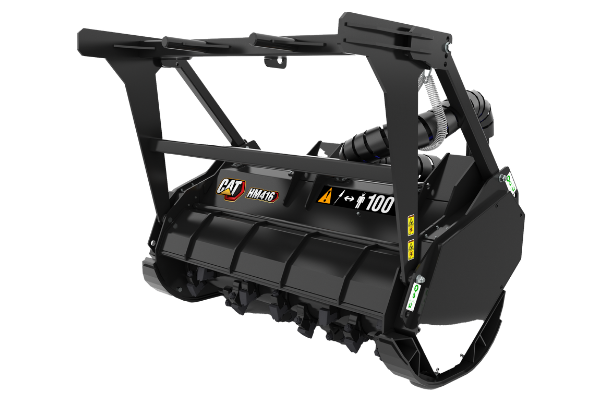
A mulcher or forestry mulcher is built for heavier clearing. It grinds trees and thick brush into small chips and leaves them spread on the ground.
Both attachments connect to skid steers or CTLs using a quick-attach plate and hydraulic hookups. Mulchers usually require more power to operate properly.
Field Test: North Georgia Woodland Conditions
Both attachments were tested on the same machine by the same operator in typical North Georgia woodland conditions with mixed hardwoods, thick vines, and dense underbrush.
We compared clearing speed, acreage covered per hour, fuel use, and how well each attachment handled debris. The results showed clear differences in productivity and finish quality, especially in heavier vegetation.
Head-to-Head Comparison
Brush cutters tend to clear lighter vegetation faster, especially in saplings and brush, while mulchers handle thicker, woody material better but at a slower pace in dense areas. Brush cutters leave behind cut debris that usually needs cleanup, while mulchers grind everything into chips and leave a cleaner surface behind.
On maintenance, brush cutters are generally simpler and wear less, while mulchers see more wear on cutting teeth.
Safety Checklist for Land-Clearing Attachments
Check the attachment before use for loose parts, wear, and hydraulic leaks, and make sure it’s properly mounted and greased. Wear basic PPE like eye and ear protection, gloves, boots, and long sleeves.
Clear the area of people and walk the site first to spot hazards like rocks, wire, or hidden debris. Use barriers if you’re near roads or buildings.
After finishing, shut the machine down, clean off buildup, and inspect for damage or worn cutting parts before the next use.
Choosing the Right attachment For Your Job
Match the attachment to your machine’s hydraulic flow so it performs correctly. Brush cutters work well on lower flow machines, while mulchers usually need higher flow.
Think about the material too. Brush cutters are better for light vegetation, while mulchers handle thick woods and heavy growth more effectively.
Renting makes sense if you only need these attachments sometimes, giving you the right tool without owning it full time.
The right attachment depends on your terrain and workload. For help choosing the best setup for land clearing in North Georgia, Yancey can point you in the right direction.
Posted on June 19, 2026